
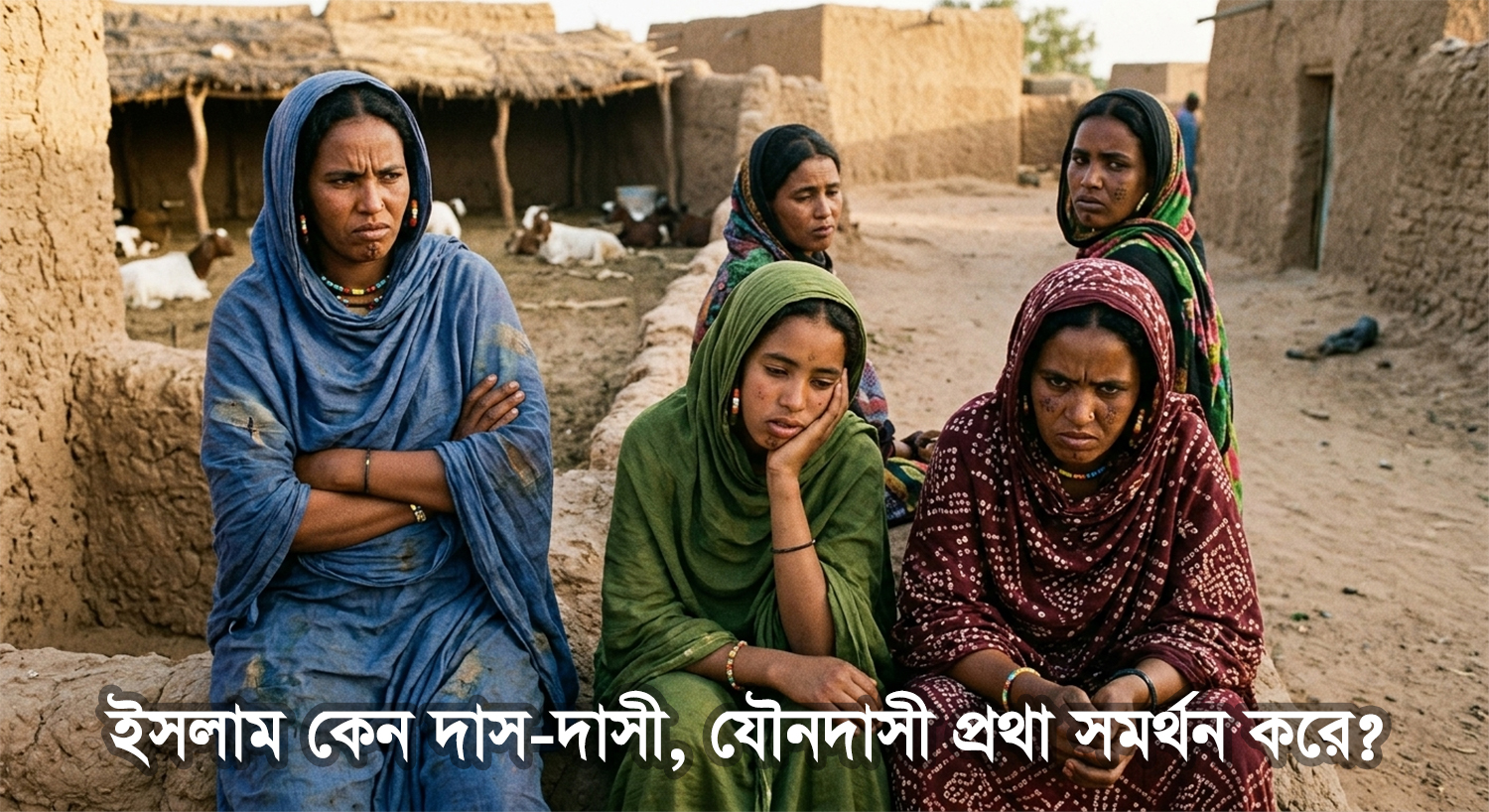
Islam and Concubines
Why does Islam support slavery and sexual slavery? Why do these ‘crimes against humanity’ continue in the name of Islam?
When mentioning that Islam’s provisions allowing slavery and sexual slavery are inhumane and crimes against humanity, many devout Muslim brothers ask: “Don’t you see that slave trading existed in America?”
To those brothers I say: compared to you, I know far less; in front of your ocean-like knowledge and prestige, I am like an ignorant child. But I do know a little. I already knew some things, and I also had to take a mandatory course once called “African-American Studies.” There, I studied books such as “Four Hundred Souls” and “The 1619 Project,” and had to write reviews, project papers, and presentations on each chapter. By your prayers and the infinite grace of Allah, I even achieved the highest score, surpassing students from English-speaking countries, and my professor still shows my papers as references to future students. So I say—I have some understanding of this.
The Trans-Atlantic Slave Trade is one of the darkest, most brutal, and longest chapters in human history. But that dark chapter is now history; no one wants to revive it anymore.
On the coast of Ghana, an African man goes out to work or walks around. Some local collaborators and some white people forcibly capture him and put him on a ship. On board, he sees hundreds more Africans. All are being taken by force to a new land—America—across the Atlantic. There, they will be sold as laborers for agriculture, industry, and construction. They will own nothing; their master’s will is their work. But there, unlike Islam, there was no system of turning women and children into sexual slaves—it was primarily forced labor and brutal exploitation. Humanity has moved on from such cruelty. No civilized country today has slavery in its constitution, laws, or state structure. But in Islam it exists—still exists—and religious scholars have nothing to do but defend it.
Slavery has existed since ancient times. Even Aristotle justified it as “natural.” However, it has gradually been abolished worldwide. Let us see some key abolition milestones:
Notable timeline of abolition:
1794 — France (first abolition)
1807 — Britain (slave trade banned)
1863 — United States (Emancipation Proclamation)
1962 — Saudi Arabia
1970 — Oman
1981 — Mauritania (legally abolished, though still ongoing in practice)
As you can see, most of the last countries to abolish it were Muslim-majority nations. Even now, there are many allegations of domestic workers being treated like sexual slaves, and markets for buying and selling servants exist. The reason is that the Qur’an—the law and foundation followed by these countries—still contains provisions for slavery. If one claims the Qur’an is a timeless constitution for humanity, revealed by God, then slavery and sexual slavery must still be relevant today—which in modern law are serious crimes against humanity. The Qur’an does describe freeing slaves as a virtuous act and instructs humane treatment in some verses, but it does not abolish the system. Even if slaves flee oppression and seek dignity, Allah is said to be displeased until they return to their master; their prayers are not accepted, and the Islamic state does not guarantee them protection. Allah states that whatever Prophet Muhammad said and did was guided by Him—meaning his actions are also divine. He owned slaves, had multiple female slaves, and engaged in their buying and selling. Since Muslims claim he is the ideal for all time, these practices cannot be dismissed as merely contextual to that era.
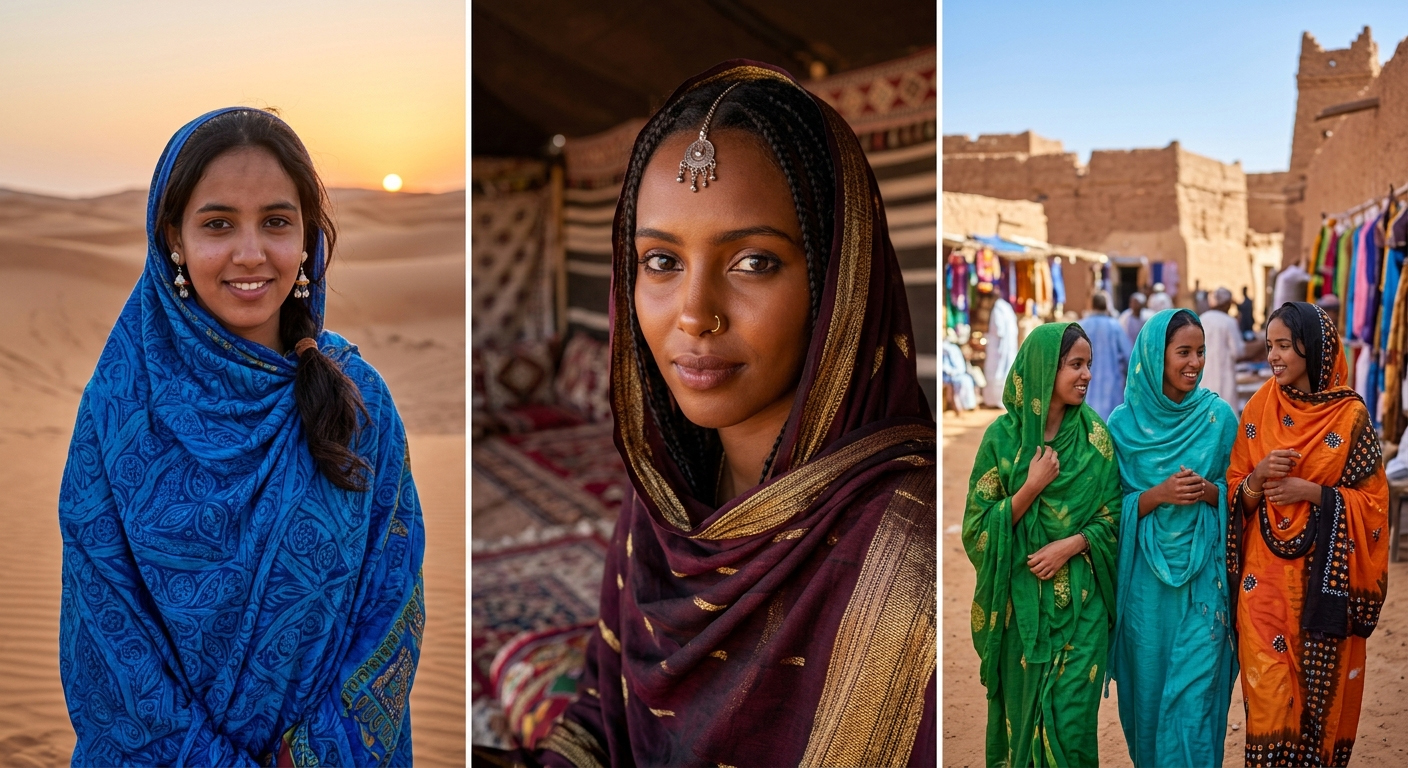
Mauritania is nearly 100% Muslim (99.9%) and an official Islamic republic. Its constitution recognizes Sharia as the sole source of law. There, slavery still persists, where the dominant Arab-Berber (Beidane) group historically enslaves Black African descendants known as Haratin. Buying, selling, and transferring slaves is common. Although slavery was abolished in 1981 and criminalized in 2007 and 2015 under international pressure, in reality the law is not enforced because government officials themselves are often part of the slave-owning class. As a result, hereditary slavery continues—children are born into slavery based on their mother’s status. Millions still work without pay in fields and households. Tragically, forms of sexual slavery also persist unofficially. According to human rights organizations such as Amnesty International, Minority Rights Group, and UN reports, about 90% of victims are women and children. Female slaves and young girls have no legal status, and their masters have complete control over them. In addition to labor, they face systematic sexual violence and abuse.
ISIS militants also enforced slavery according to their interpretation of Islam. They enslaved Yazidi women and children, used them as sexual slaves, sold them in markets, and committed mass atrocities. Survivors have later described their horrific experiences. Elderly women and children, deemed less desirable, were even buried alive, with documented mass graves.
In Bangladesh, many religious leaders claim that under Islamic rule, women who do not wear hijab or burqa—those involved in music or secular lifestyles—could be turned into sexual slaves by extremists. When asked why Islam still retains slavery, some claim future jihad and the coming of Imam Mahdi will reinstate such systems. Some extremists openly express dreams of capturing women during jihad and turning them into sexual slaves.
Slavery is a universal historical crime. Societies and religions that abolished it did so by placing human dignity above doctrine. No Hindu, Christian, Jewish, Buddhist, atheist, or humanist would openly support slavery today. But Muslims, it is argued, cannot reject it without contradicting their scripture and becoming unbelievers. A system that claims to be timeless and unchangeable yet contains provisions against human dignity is especially dangerous because it blocks reform.
If an all-powerful and just creator gave such laws, then permitting humans to be bought, sold, or sexually exploited contradicts justice.
Human rights are based on one principle: every human—regardless of gender, race, or religion—is born free and with dignity. Any system that contradicts this principle, regardless of its source, deserves criticism and rejection.
By that reasoning, Islam, its Qur’an, its Allah, and its Prophet Muhammad are rejected as outdated and irrelevant. Having two billion followers does not make something true or obligatory to accept. Without recognition of human dignity and freedom, Islam becomes something destined for the trash bin—or it must undergo major reform, removing many parts of the Qur’an and Hadith.
Related Posts
Why do Islamist clerics consider Bengali cultural festivals their enemy?
This year, unlike many previous years, the major Hindu religious festival Durga Puja in BangladeshRead More
ইসলামিস্ট মোল্লারা কেন বাঙালিদের আনন্দ উৎসবকে তাদের শত্রু মনে করে?
এবার বাংলাদেশে অন্যবারের তুলনায় বেশ শান্তিপূর্ণ, উৎসবমুখর পরিবেশে হিন্দু ধর্মের বড় ধর্মীয় উৎসব দূর্গাপূজা হয়েRead More
Why do Islamist cyber‑jihadis insult, threaten, and file false reports against people with different opinions?
Maulana Azhari once advised Islamists that sharing his Facebook posts is also an Islamic act;Read More
Comments are Closed