

How Ramadan inflicts oppression on people
Autophagy, Ramadan, Human Rights Violations, Moral Policing, Crime, and Our Delusions
Every year during Ramadan in Bangladesh, many people face various physical, mental, and social problems. Some are subjected to humiliation and harassment, while others face attacks, physical punishment, threats, and various criminal offenses. Islamists consider Ramadan a blessed month, a month of restraint. For this reason, they refrain from eating or drinking from a little before sunrise until sunset. Many of them try to mob-enforce this fasting culture on society. They pressure food shops, small restaurants, and roadside vendors to shut down their businesses. If they cannot force closure, they compel them to cover their food items with black cloth throughout the day, preventing display. Even last year, in 2025, the current opposition leader and the Amir of Bangladesh Jamaat-e-Islami, Mr. Shafiqur Rahman, advised the government to shut down street food stalls during Ramadan.
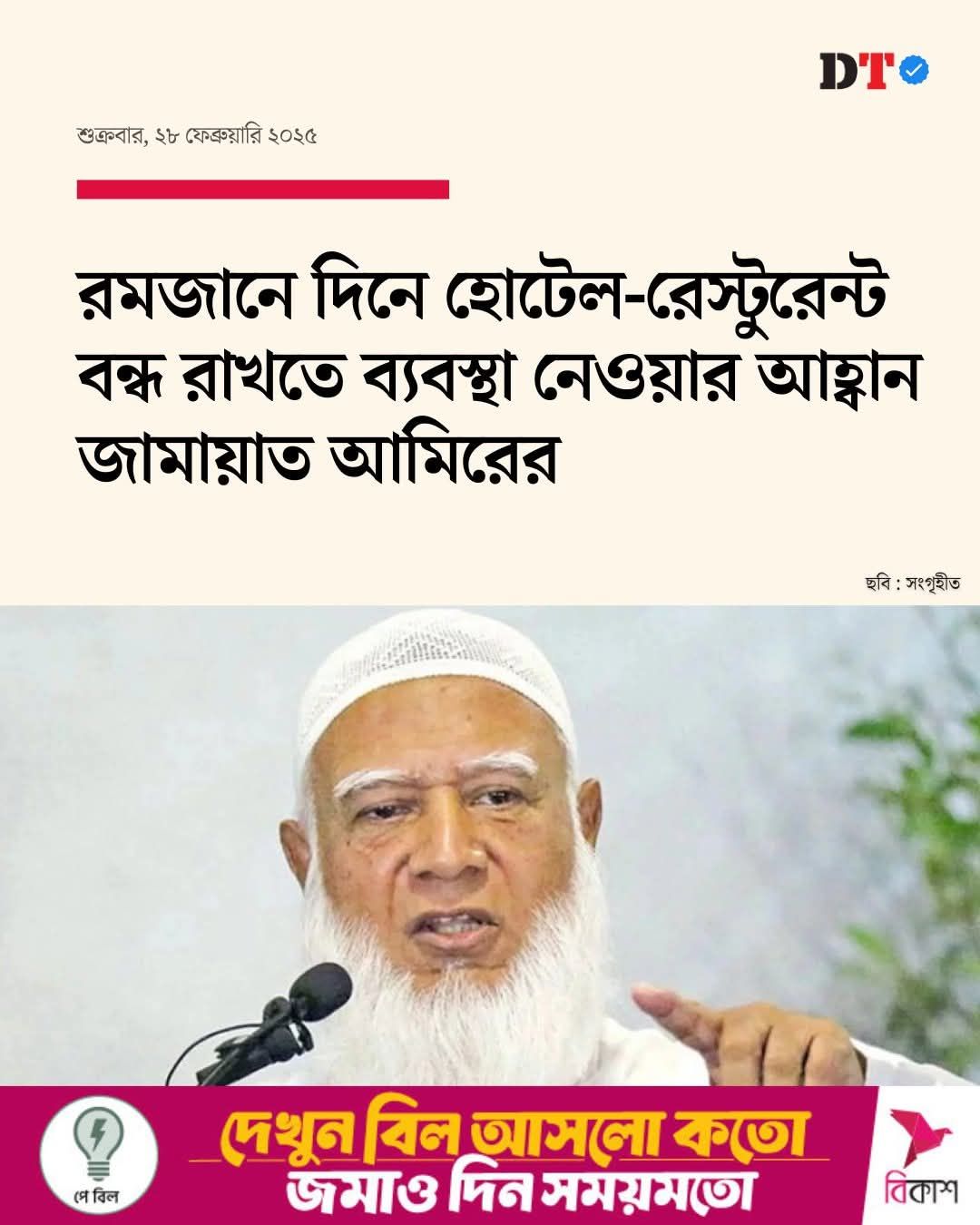
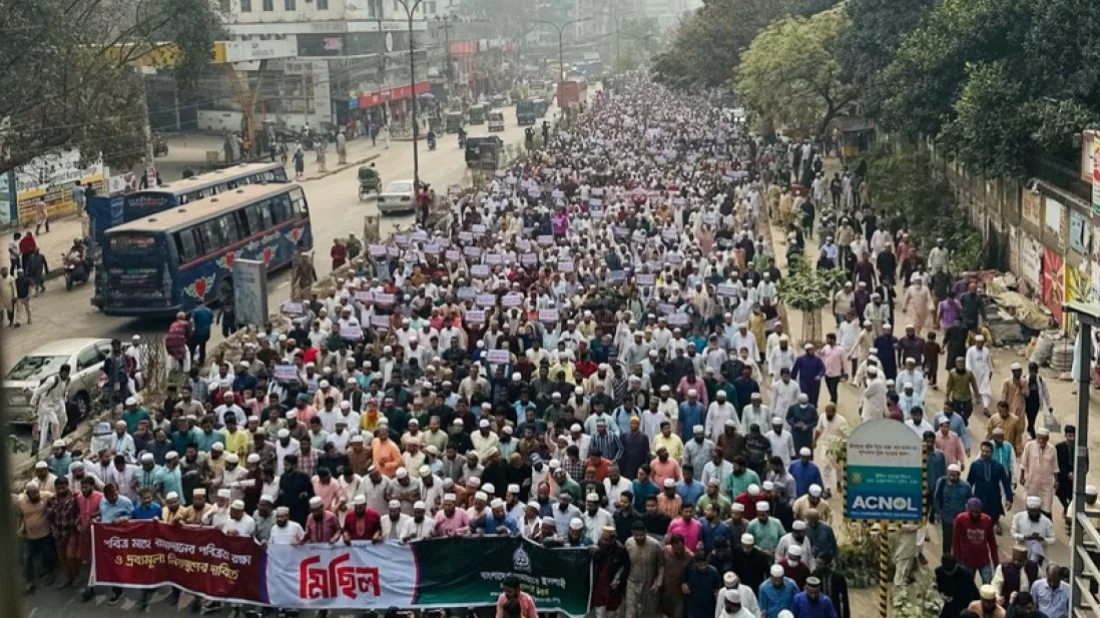
They call Ramadan a month of restraint and blessings. They say that if food shops remain open in front of you, with delicious items on display, and you still restrain your desires and remain hungry, then your fasting becomes more complete. Yet during Ramadan, shops openly prepare and display iftar items in the afternoon – no one objects to that. So why this loud demand to shut down hotels and restaurants selling daily meals? Many people, willingly or unwillingly, or out of necessity, do not fast. Many work under extreme heat doing hard physical labor; people of other religions do not fast either. Children, the elderly, and the sick cannot stay hungry. Many households do not have cooking arrangements. Many people travel and must buy food from outside. So where will they eat? And what about the livelihoods of those whose families depend on running these small food businesses? These small vendors suffer the most during Ramadan. Islamist extremist groups want to force everyone to fast by intimidation. They consider these actions acts of religious merit. They physically punish, humiliate, and threaten anyone they see eating. This practice has now become established almost everywhere in Bangladesh. Sadly, the state and the government take no action, fearing that extremist groups may take to the streets accusing them of hurting religious sentiments. In many cases, the government even offers tacit support to these actions.
Now let’s come to the topic of autophagy. Many Muslims claim that fasting – meaning staying without food for 12-15 hours – is very beneficial for the human body. They say this is scientifically proven and cite autophagy as evidence. They also claim that a Japanese scientist won the Nobel Prize for researching the benefits of Islamic fasting. But is that true? Why is there such a need to glorify Islamic fasting? Many other religions also have fasting traditions, even long before the advent of Islam. Jews, Christians, Zoroastrians, Hindus, and many indigenous communities practice various forms of fasting.
In 2016, Japanese scientist Yoshinori Ohsumi won the Nobel Prize for his research on the process of autophagy (autophagy – cellular recycling system). Many people tag this discovery on Facebook posts or write articles filled with pseudoscience, which completely misrepresents the concept of autophagy.
Belgian scientist Christian de Duve won the Nobel Prize in Physiology or Medicine in 1974 for discovering lysosomes. A decade earlier, scientists had mentioned a type of membrane inside cells that trapped waste or excess materials. But they did not yet understand how the mechanism worked. He and other researchers observed that cells create a membrane-bound compartment to trap unnecessary components. Christian de Duve named this membrane-bound structure the lysosome.
Japanese scientist Yoshinori Ohsumi worked on the practical aspects of the limitations or theoretical gaps in Christian de Duve’s discovery. He identified the gene that regulates the autophagy process.
Autophagy causes many cells to die; naturally, weak and diseased cells die first. Therefore, Ohsumi’s research on autophagy has significant importance in studying cancer and various age-related diseases.
When you do not eat, your cells still need nutrients and begin searching within themselves. In doing so, they consume harmful components (selecting nutrients from them) and expel waste through metabolic processes. One study found that some of the protein we consume is not used and accumulates in cells; removing them occasionally is beneficial. But the autophagy process requires drinking plenty of water. Without sufficient water, autophagy does not occur because metabolic processes continue and water is essential. For autophagy to be effective, one must go 2-7 days consuming only water and nothing else. Depending on the person, this period may vary between 2-7 days.
Fasting, intermittent fasting, religious fasting, or hunger strikes have no relation to autophagy. The Japanese scientist did not discover autophagy. The process was discovered in the 1960s; he only identified the gene that regulates it. Religion and science are two completely different things. Religion requires belief, where questioning is not allowed. Science requires evidence, and without proper scientific methodology, nothing is accepted.
Related Posts

Operation Entebbe – the story of one night, and the Islamic execution suffered by Nazrul Islam and Sweety Akter
What can a state do to save the lives of its citizens abroad? Are thereRead More
অপারেশান এন্টেবে – এক রাতের গল্প এবং নজরুল ইসলাম ও সুইটি আক্তারের ইসলামি হত্যার শিকার হওয়া!
একটি রাষ্ট্র বিদেশে তার নাগরিকদের জীবন বাঁচাতে কী করতে পারে? এর কোন টেক্সটবুক উদাহরণ আছে?Read More
A random page from Muhammad’s self‑made book Qur’an and its unscientific statements
Sometimes I flip through random pages of Muhammad’s self‑made book Qur’an, and today this pageRead More
Comments are Closed