
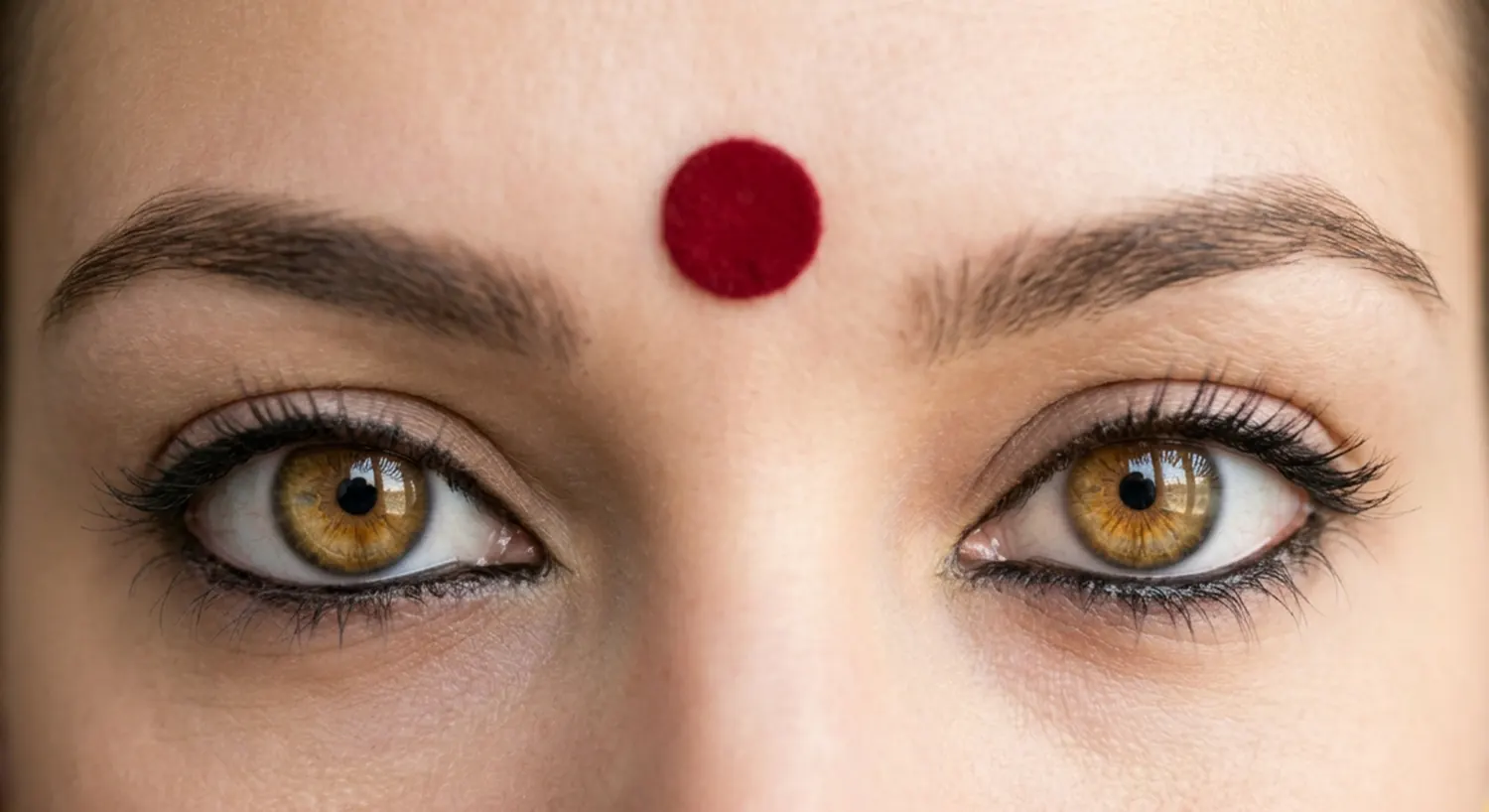
Human Eyes and Colors
Humans cannot even see 1% of the beauty and colors of Earth and the universe! Are humans really the best of creation?
The human eye can generally detect visible light or color in the wavelength range of 380 to 740 nanometers (nm). According to scientists, within this range the human eye can distinguish about 10 million different color shades.
Because of the limitations of the human eye and brain, almost the entire electromagnetic spectrum of the universe remains invisible to us. According to scientific calculations, humans can see only about 0.0035% of the total spectrum spread across the universe. In other words, the remaining 99.9965% of “colors” or light remain outside human vision. Can you imagine? The true colors of the beauty around you—humans cannot even see 1% of it. The same is true for sound; most of the sounds in the universe are inaudible to humans.
While studying ‘Remote Sensing and Aerial Photo Interpretation’ at university, we learned some methods using software to convert many colors invisible to humans into visible colors. This is called False Color Composite (FCC). Remote sensing satellites or aircraft can capture many wavelengths or bands beyond human vision (such as infrared, short-wave infrared, or thermal bands). Since the human eye can only see RGB—red, green, and blue—those invisible bands are assigned or overlaid onto these three primary colors using software (such as ArcGIS, ERDAS Imagine, or QGIS) to make them visible to us.
In nature, there are many animals whose eyes are more advanced than human eyes, and they can see far more colors and shades of light than humans. While humans have 3 types of cone cells in their eyes, the animals listed below have more cone cells, allowing them to see a much more colorful world:
- Mantis Shrimp
In terms of color vision, they are the best creatures on Earth. Their eyes contain 12 to 16 different types of cone cells. They can see light humans cannot even imagine, such as ultraviolet (UV), infrared (IR), and polarized light. - Butterflies
Most butterflies have 5 to 6 cone cells, but some species have up to 15. They can see ultraviolet light, which helps them find nectar and locate mates from afar. - Birds
Most birds have 4 cone cells (tetrachromats). They can see red, green, blue, and also ultraviolet (UV) light. Birds like swallows, hummingbirds, parrots, and peacocks can distinguish several times more color shades than humans. The colors we see on bird feathers appear far more vibrant and different to other birds. - Bees
Bees can detect ultraviolet rays. Although they cannot see red well, they see flowers through a combination of blue, green, and ultraviolet light. They locate nectar by detecting special UV patterns on petals. - Goldfish and some other fish
Goldfish have 4 types of cone cells. They can see both infrared and ultraviolet light underwater. This special vision helps them catch prey and navigate underwater.
Humans do not see, hear, or know many things in the world and the universe that many other creatures can see, hear, and know. The idea that humans are the best of creation, and that all other creatures were created for humans and are dedicated to serving humans—these false prides should be abandoned! Humans are a very ordinary species with many limitations. At one stage of random mutation, the human brain suddenly gained some mathematical and cognitive abilities—that’s all! And supposedly even that came from viruses; I have another article on that!
Related Posts
পৃথিবী ও মহাবিশ্বের সুন্দর জিনিসের ১% সৌন্দর্যের রঙও মানুষ দেখতে পায় না! মানুষ কি সৃষ্টির সেরা?
মানুষের চোখ সাধারণত ৩৮০ থেকে ৭৪০ ন্যানোমিটার (nm) তরঙ্গদৈর্ঘ্যের (wavelength) দৃশ্যমান আলো বা রঙের রেঞ্জRead More

Why does Allah show such preference for women with large breasts and large buttocks? Do men feel the same way? Does this give women any advantage?
If you leave Prophet Muhammad in Pattaya’s Walking Street and Beach Road after evening, inRead More
নারীর বড় বক্ষ ও নিতম্বের প্রতি আল্লাহর এতো পক্ষপাত কেন? পুরুষেরও কি তাই? এটা কি নারীকে সুবিধা দেয়?
আপনারা যদি পাতায়ার ওয়াকিং স্ট্রীটে ও বীচ রোডে সন্ধ্যার পর আলো আঁধারিতে নবী মুহাম্মদকে ছেড়েRead More
Comments are Closed